 by
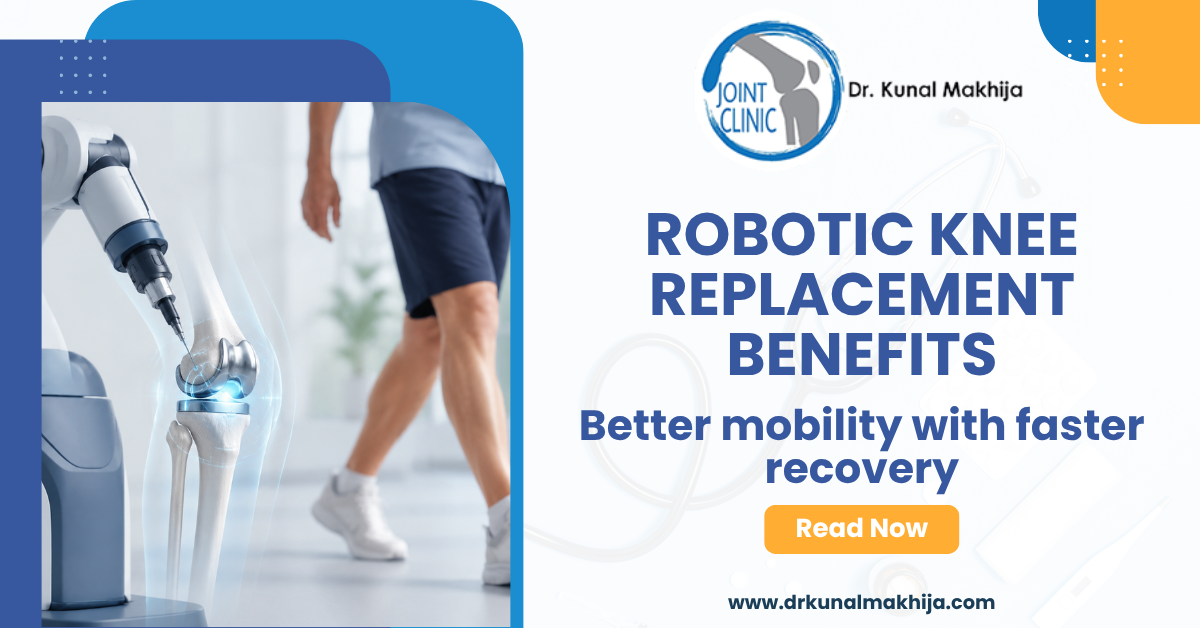
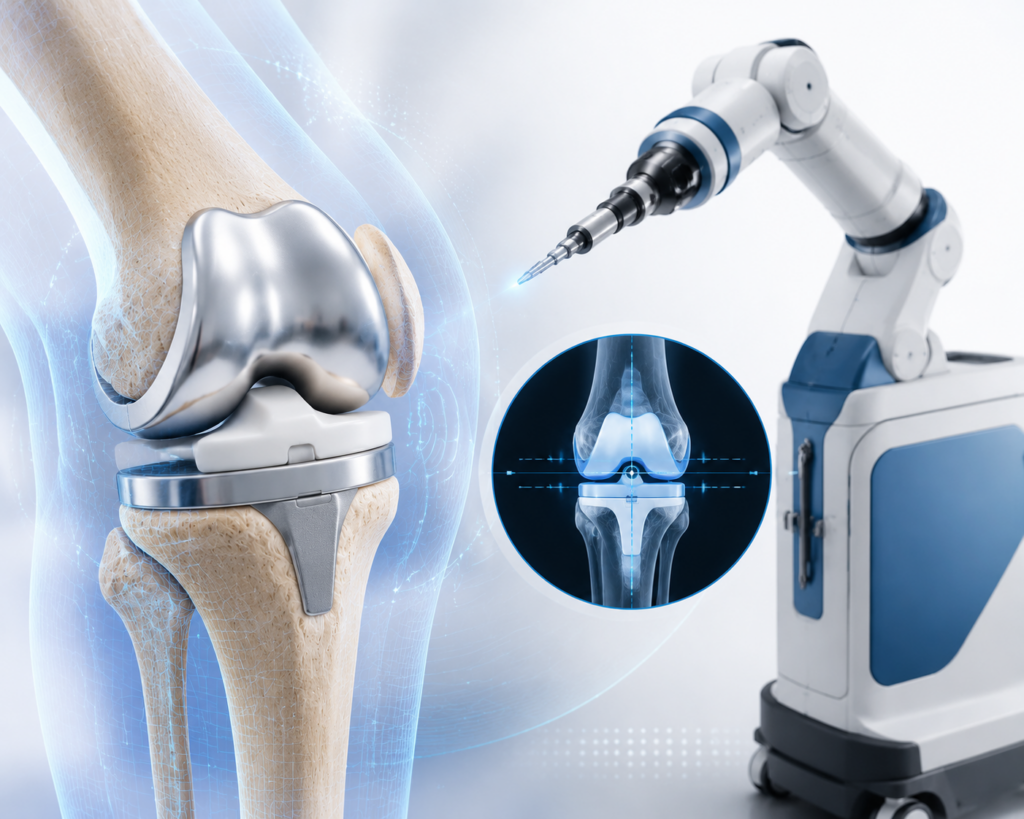
by Robotic knee replacement is an advanced surgical technique that uses robotic technology to assist the orthopedic surgeon during the procedure. The robotic system helps create a detailed understanding of the patient’s knee anatomy and supports accurate implant placement.
Unlike traditional knee replacement methods, robotic assistance allows:
✔️ Personalized surgical planning
✔️ Greater accuracy in implant positioning
✔️ Better preservation of healthy bone and tissues
✔️ Improved knee alignment
✔️ Enhanced long-term function and stability
The robotic system does not perform the surgery independently. Instead, it works as a precision tool that helps the surgeon make accurate decisions throughout the procedure.
Meet Dr. Kunal Makhija – Expert Robotic Knee Replacement Surgeon in Navi Mumbai
Dr. Kunal Makhija is an experienced orthopedic surgeon specializing in advanced knee and joint replacement procedures. With a patient-focused approach and expertise in modern orthopedic techniques, he provides personalized solutions for individuals suffering from severe knee pain and mobility issues.
His expertise includes:
- Robotic-assisted knee replacement surgery
- Total knee replacement
- Partial knee replacement
- Arthritis management
- Sports injury treatment
- Joint preservation procedures
- Complex knee conditions
Dr. Makhija focuses on understanding each patient’s condition, lifestyle requirements, and recovery goals before recommending the most suitable treatment approach.
How Robotic Knee Replacement Surgery Helps Patients
✅ More Accurate Implant Placement
Every patient’s knee anatomy is different. Robotic technology helps surgeons analyze the joint structure and plan the procedure according to individual requirements, improving implant positioning and knee balance.
✅ Faster Recovery and Rehabilitation
With improved precision and less disruption to surrounding tissues, many patients experience smoother recovery and can begin rehabilitation earlier under expert guidance.
✅ Better Knee Movement
Accurate alignment of the implant can help restore natural knee movement, allowing patients to perform daily activities with greater comfort.
✅ Long-Term Functional Results
Proper implant positioning plays an important role in the durability and performance of knee replacement surgery. Robotic assistance helps achieve consistent surgical accuracy.
Who Can Benefit From Robotic Knee Replacement Surgery?
Robotic knee replacement may be recommended for patients experiencing:
- Advanced knee osteoarthritis
- Severe joint pain affecting daily activities
- Knee stiffness and reduced mobility
- Damage caused by previous injuries
- Failed improvement with medicines, physiotherapy, or injections
- Joint deformities affecting walking ability
A detailed orthopedic evaluation helps determine whether robotic knee replacement is the right treatment option.
Why Choose Dr. Kunal Makhija for Robotic Knee Replacement in Navi Mumbai?
Choosing the right orthopedic surgeon is an important step toward successful knee replacement recovery.
Factors that make specialist care important include:
✅ Advanced Surgical Expertise
A skilled orthopedic surgeon understands complex knee anatomy and uses technology effectively to achieve better outcomes.
✅ Personalized Treatment Planning
Every patient receives a treatment approach based on their pain level, lifestyle, health condition, and recovery expectations.
✅ Modern Technology & Techniques
Robotic-assisted procedures provide additional precision and support during knee replacement surgery.
✅ Comprehensive Recovery Support
Proper rehabilitation and follow-up care play a key role in regaining strength and mobility after surgery.
Book Your Consultation for Robotic Knee Replacement
If knee pain is limiting your movement or affecting your quality of life, consulting an experienced orthopedic specialist can help you understand your treatment options.
Dr. Kunal Makhija provides advanced evaluation and treatment for patients considering robotic knee replacement surgery in Navi Mumbai.
👉 Schedule your consultation today:
📞 +91 85913 99962 | +91 87673 02801
Take the first step toward pain-free movement and improved quality of life.
Frequently Asked Questions (FAQs)
Q: What is robotic knee replacement surgery?
A: Robotic knee replacement is an advanced surgical technique where robotic technology assists the surgeon in planning and performing knee replacement with improved precision and accuracy.
Q: Is robotic knee replacement better than traditional knee replacement?
A: Robotic assistance can improve surgical accuracy, implant positioning, and personalized planning. However, the final outcome also depends on the surgeon’s expertise and patient rehabilitation.
Q: How long does recovery take after robotic knee replacement?
A: Recovery varies from patient to patient. Most individuals gradually regain mobility with proper physiotherapy, rehabilitation, and follow-up care.
Q: Is robotic knee replacement safe?
A: Yes. When performed by an experienced orthopedic surgeon, robotic-assisted knee replacement is considered a safe and effective option for suitable patients.
Q: Who is the right candidate for robotic knee replacement?
A: Patients with advanced arthritis, severe knee pain, reduced mobility, or significant joint damage may benefit from robotic knee replacement after proper evaluation.
Q: How long does a robotic knee replacement implant last?
A: Modern knee implants are designed for long-term durability. Their lifespan depends on factors such as activity level, implant type, and overall health.
Conclusion
Robotic knee replacement surgery has brought a new level of precision and personalization to modern orthopedic care. For patients struggling with severe knee pain, arthritis, and mobility limitations, advanced robotic-assisted treatment can help restore movement and improve quality of life.
Dr. Kunal Makhija at Patel Clinic and Orthopaedic Centre, Panvel, Navi Mumbai, provides expert orthopedic care with advanced techniques focused on patient safety, faster recovery, and better functional outcomes.
Don’t let knee pain limit your lifestyle. Consult an experienced orthopedic specialist and explore whether robotic knee replacement is the right solution for you.
📞 Book your appointment today:
+91 85913 99962 | +91 87673 02801